
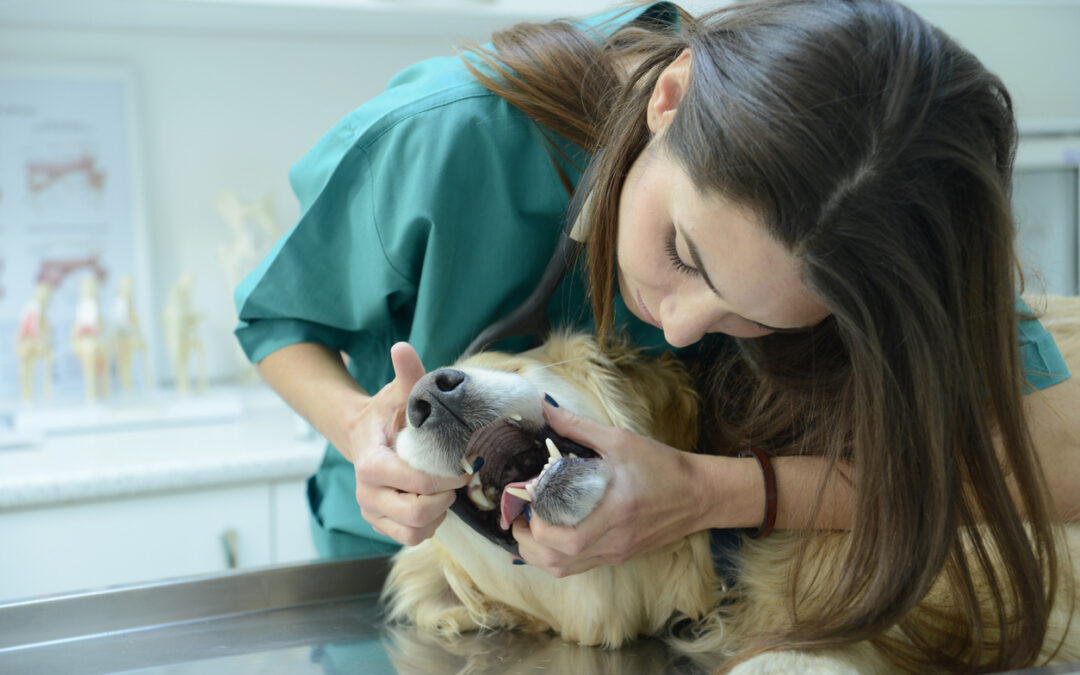
The most useful dental care often happens before a pet appears to need it.
A dog can have plaque accumulating beneath the gumline while still enthusiastically eating dinner. A cat can develop gum inflammation without refusing food. By the time obvious pain appears, oral disease may already be well established.
That makes pet dental care a partnership between what happens at home and what can only be accomplished professionally.
For pet owners in Vancouver, WA, knowing where that line falls can make oral care much easier to manage.
Pet Oral Health Starts at Home
Home care has one primary job: help control plaque before it turns into harder, more persistent buildup.
Toothbrushing with pet-safe toothpaste can be especially useful when a pet tolerates it.
The routine does not need to begin with a full brushing session.
A more realistic progression may be to let your pet become comfortable with facial handling, practice gently lifting the lips, introduce pet-safe toothpaste, and then add a toothbrush or finger brush gradually.
Some pets adapt quickly. Others need more time.
The best routine is the one that can be repeated without creating a daily struggle.
Know What Home Care Cannot Do
Brushing has limits.
Once plaque mineralizes into tartar, a toothbrush cannot simply scrub it away. Home products also cannot evaluate what is happening beneath the gumline or determine whether a tooth root is diseased.
That is the point where professional pet dentistry becomes important.
Think of home care as maintenance, not a substitute for veterinary treatment.
Dental chews, diets, and other products may also have a role, but they should support an oral-care plan rather than create the impression that a chew can fix existing periodontal disease.
Dental Chews Deserve a Safety Check
Not every object a pet likes chewing is good for their teeth.
Very hard products can create enough force to fracture teeth.
Before giving a chew, consider whether it is appropriate for your pet’s size, has some flexibility, is designed for dental use, and suits your pet’s current oral health.
Pets with existing oral disease may need different products than pets with healthy mouths.
When in doubt, ask your veterinary team which options make sense for your pet.
When Pet Dental Cleaning Takes Over From Home Care
A professional pet dental cleaning performs a different job than brushing.
At this Vancouver practice, professional care may include general anesthesia, full-mouth dental X-rays, scaling and polishing, along with preanesthetic bloodwork.
That combination makes it possible to assess more than the visible tooth surface.
Full-mouth dental X-rays can provide information about structures hidden beneath the gums, while scaling addresses buildup above and below the gumline.
For owners considering pet dental cleaning in Vancouver, WA, this distinction matters.
A veterinary dental procedure is not simply an upgraded version of brushing. It provides access and diagnostic information that cannot be achieved through home care alone.
What Professional Veterinary Dentistry Can Find
Oral disease does not always develop where owners can easily see it.
A veterinary assessment may identify gum inflammation, periodontal disease, loose teeth, fractures, bone loss, infection, abnormal wear, or other hidden problems.
Some pets show very little outward evidence of these concerns.
A pet may still eat normally while changing how they chew or quietly avoiding harder food.
That makes changes in function especially useful to watch.
Watch Function, Not Just the Teeth
Instead of checking only whether the teeth look clean, notice what your pet does with their mouth.
Changes worth mentioning include dropping food, chewing on one side, avoiding hard treats, becoming less interested in toys, pawing at the mouth, increased drooling, facial sensitivity, or stronger breath.
A cat that begins preferring canned food may not simply be changing preferences. A dog that stops carrying a favorite toy may be avoiding pressure on a painful area.
Behavior provides context that an oral examination alone cannot.
Veterinary Dentistry in Vancouver, WA Should Fit the Pet
There is no single cleaning schedule that works for every dog and cat.
Breed, tooth alignment, previous periodontal disease, home care, diet, chewing habits, age, and individual anatomy can all affect oral health.
That is why veterinary dentistry in Vancouver, WA should be individualized.
The goal is a plan that responds to the pet in front of you rather than relying only on a calendar.
Pet Dental Surgery Has a Different Purpose
Preventive care cannot reverse every dental problem.
A severely fractured, infected, loose, or painful tooth may require pet dental surgery or extraction.
At that point, the goal is treatment rather than prevention.
Owners sometimes focus on saving every tooth, but a tooth that is painful or no longer healthy may reduce quality of life.
Appropriate treatment focuses on restoring comfort and addressing the underlying disease.
Pet Wellness Exams Can Help Decide What Comes Next
Pet wellness exams can provide an initial opportunity to notice visible oral changes.
The veterinarian may see tartar, gum inflammation, a damaged tooth, or another reason to recommend closer evaluation.
That does not mean a wellness exam replaces a complete dental procedure.
Instead, it helps answer a simpler question: does this mouth need more attention?
Regular exams can also help build a more complete health history for your pet, making gradual changes easier to put into context.
Vet Services Can Help Build a Sustainable Dental Strategy
A pet that tolerates daily brushing may have one routine. Another animal may strongly resist mouth handling and need a different combination of home products and professional monitoring.
Appropriate vet services can help owners determine which approach is practical for their individual pet.
Consistent care can also provide peace of mind through routine veterinary care by creating regular opportunities to raise concerns and discuss changes.
The best plan is not necessarily the most complicated one. It is the one that addresses the pet’s actual needs and can be maintained consistently.
Protect Your Pet’s Smile at WellHaven Pet Health Hazel Dell
Good dental prevention is not about doing everything at home or waiting for professional cleaning to solve every problem. It is about knowing which type of care your pet needs at each stage.
At WellHaven Pet Health Hazel Dell, dental care may include general anesthesia, full-mouth X-rays, scaling and polishing, preanesthetic bloodwork, and individualized recommendations for maintaining oral health between visits.
If you are unsure whether your pet’s current home routine is enough, or you have noticed bad breath, tartar, gum irritation, or changes in chewing, schedule a dental appointment with WellHaven Pet Health Hazel Dell. Our team can help determine what can be managed at home and when professional treatment is the better next step.