
Pet Preventive Care in Vancouver, WA
Living in the Pacific Northwest gives pets plenty of opportunities to enjoy the outdoors, but it can also create year-round preventive health considerations.
Moisture, vegetation, wooded spaces, wildlife, and an active outdoor lifestyle can all influence what dogs and cats encounter around Vancouver and southwest Washington.
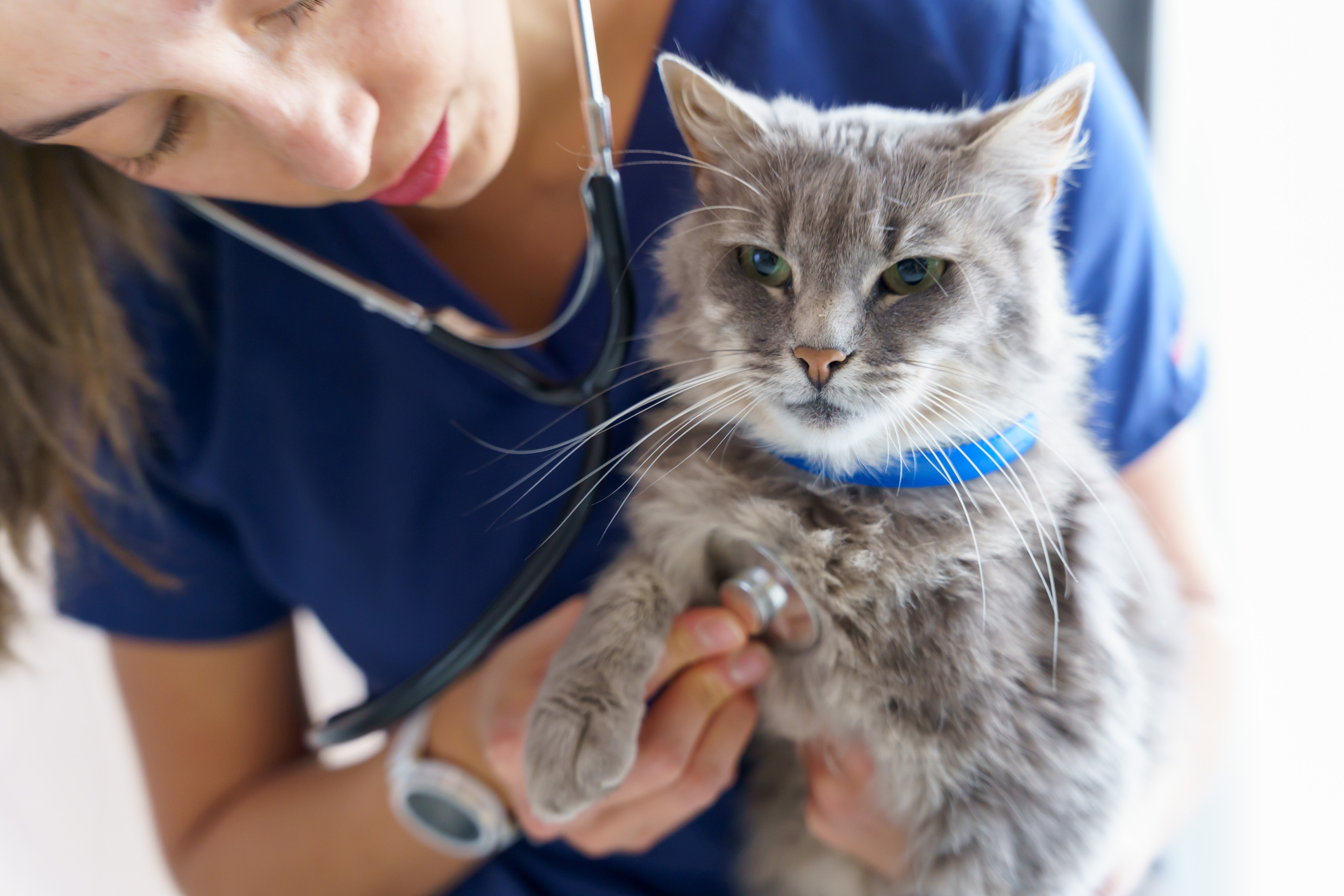
At WellHaven Pet Health Hazel Dell, pet preventive care focuses on practical protection against those risks. Depending on the patient, preventive vet care may include vaccinations, flea and tick prevention, heartworm protection, parasite screening, and other measures recommended by your veterinarian.
The goal is to keep protection relevant to the environments your pet regularly experiences.
Why Preventive Care Matters for Pet Health
Preventive veterinary care helps reduce the chance of certain illnesses and parasite-related problems before they become more serious.
Dogs and cats may encounter infectious diseases and parasites through outdoor environments, other animals, wildlife, boarding facilities, travel, or shared pet spaces.
Preventive care services for pets may include:
- Vaccinations
- Flea and tick prevention
- Heartworm protection
- Parasite screening or testing
- Travel-related recommendations
- Other risk-based preventive measures
Consistent preventive pet care can support long-term pet health by allowing recommendations to change as a pet’s needs evolve.
Pet wellness exams, also commonly called annual vet exams, are also part of preventive veterinary care. These routine appointments allow the veterinarian to evaluate your pet’s current condition, compare findings over time, and discuss changes noticed at home.
Over time, regular vet exams can build a more complete health history, which can help inform broader preventive decisions.
This page focuses specifically on measures such as vaccination, parasite protection, and exposure-based recommendations. These proactive services work alongside routine exams as part of a comprehensive preventive approach.
Vaccination for the Risks Your Pet Actually Faces
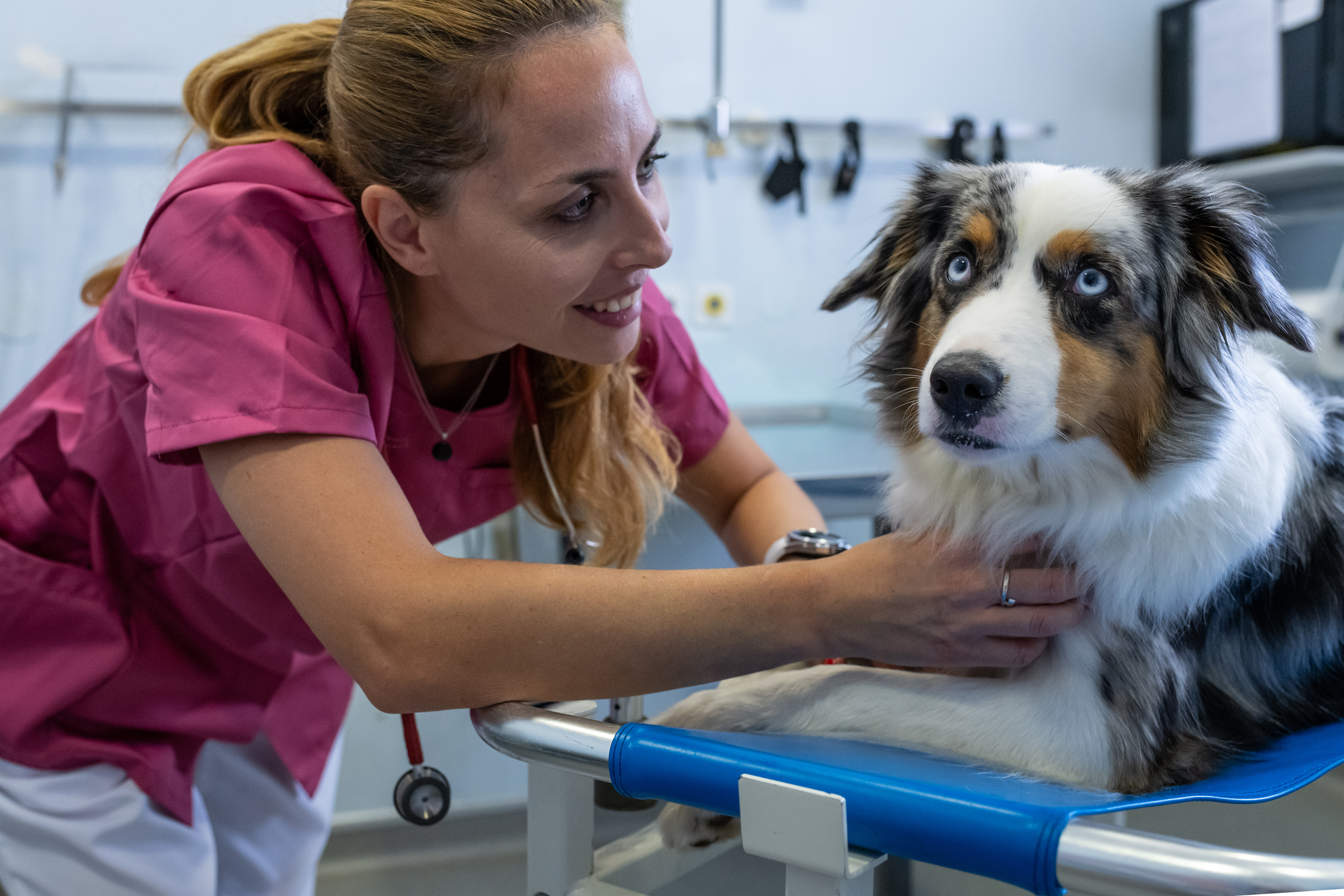
Vaccination helps protect pets from infectious diseases that may be encountered through other animals or shared environments.
Core vaccine recommendations may include protection against diseases such as rabies, distemper, and parvovirus for dogs, while cats have species-specific vaccination needs.
Additional recommendations can depend on age, outdoor access, boarding, daycare, travel, and contact with unfamiliar animals.
Young pets typically begin with a vaccination series as immune protection develops. Adult pets may need boosters or adjustments over time.
The most useful vaccination plan is one that considers actual exposure rather than assuming every patient needs an identical schedule.
Parasite Prevention in the Pacific Northwest
Parasite prevention deserves particular attention in western Washington.
Vancouver’s mild temperatures, frequent moisture, dense vegetation, and long outdoor season can create opportunities for pets to encounter fleas, ticks, mosquitoes, and intestinal parasites.
Ticks may transmit disease. Fleas can cause persistent itching and skin irritation. Mosquitoes are responsible for heartworm transmission, while intestinal parasites may be picked up through contaminated soil, water, wildlife, or other animals.
Pets that spend time in brush, wooded areas, parks, trails, or other natural settings may encounter different levels of exposure than pets with limited outdoor access.
For that reason, parasite protection should be discussed in the context of where your pet spends time rather than being based solely on the calendar.
Preventive Care That Follows Your Pet’s Lifestyle
Preventive recommendations become more useful when they reflect a pet’s normal routine.
Outdoor activity, travel, boarding, daycare, household composition, and contact with wildlife or other animals can all influence health risks.
These factors do not need to be dramatic to matter. A change in walking route, more frequent weekend recreation, or a new boarding routine may be enough to introduce a different type of exposure.
Your veterinarian can use those details alongside age and health history to determine whether vaccinations, parasite protection, or other preventive measures should be updated.
That keeps preventive vet care responsive without making it unnecessarily complicated.
Local Health Considerations for Pets in Vancouver, WA
Hazel Dell’s location makes outdoor exposure an especially useful part of the preventive conversation.
Pets in this part of Vancouver may regularly encounter neighborhood green spaces, mature vegetation, wooded areas, parks, and recreational destinations throughout Clark County and southwest Washington.
The combination of moisture and greenery can create conditions where fleas and ticks remain relevant beyond a short summer window. Wildlife and shared outdoor spaces can add additional exposure.
Travel is another consideration. Trips elsewhere in Washington, across the Columbia River into Oregon, or to other regions can introduce pets to different parasite and infectious disease risks.
This gives Hazel Dell a somewhat different preventive emphasis from Mill Plain. While both clinics care for Vancouver pets, Hazel Dell’s content places greater emphasis on outdoor environments, vegetation, regional recreation, and parasite exposure.
When discussing prevention with Vancouver vets, describe the environments your pet regularly visits so recommendations can reflect those local conditions.
Adjusting Preventive Care as Your Pet Changes
Preventive needs can shift with age, health, and routine.
Puppies and kittens may require developing vaccination schedules and parasite protection. Adult pets may need recommendations updated as they become more active, travel more often, or spend additional time outside.
Senior pets still benefit from preventive planning, even if their routines become quieter.
Pet wellness exams can provide important health information during each life stage. They also offer an opportunity to discuss whether existing preventive measures remain appropriate.
When other concerns arise, pet dental services or additional veterinary services may be recommended as part of your pet’s overall care.
Routine veterinary visits can also provide greater peace of mind by giving owners a consistent opportunity to discuss changes and questions.
Your Trusted Vets in Vancouver, WA
WellHaven Pet Health Hazel Dell provides veterinary services in Vancouver, WA, for dogs and cats throughout the surrounding community.
Our preventive approach takes into account age, health history, outdoor activity, environment, travel, and contact with other animals.
For pet owners looking for Vancouver vets, that individualized approach helps keep protection relevant to the health risks their pet is most likely to encounter.
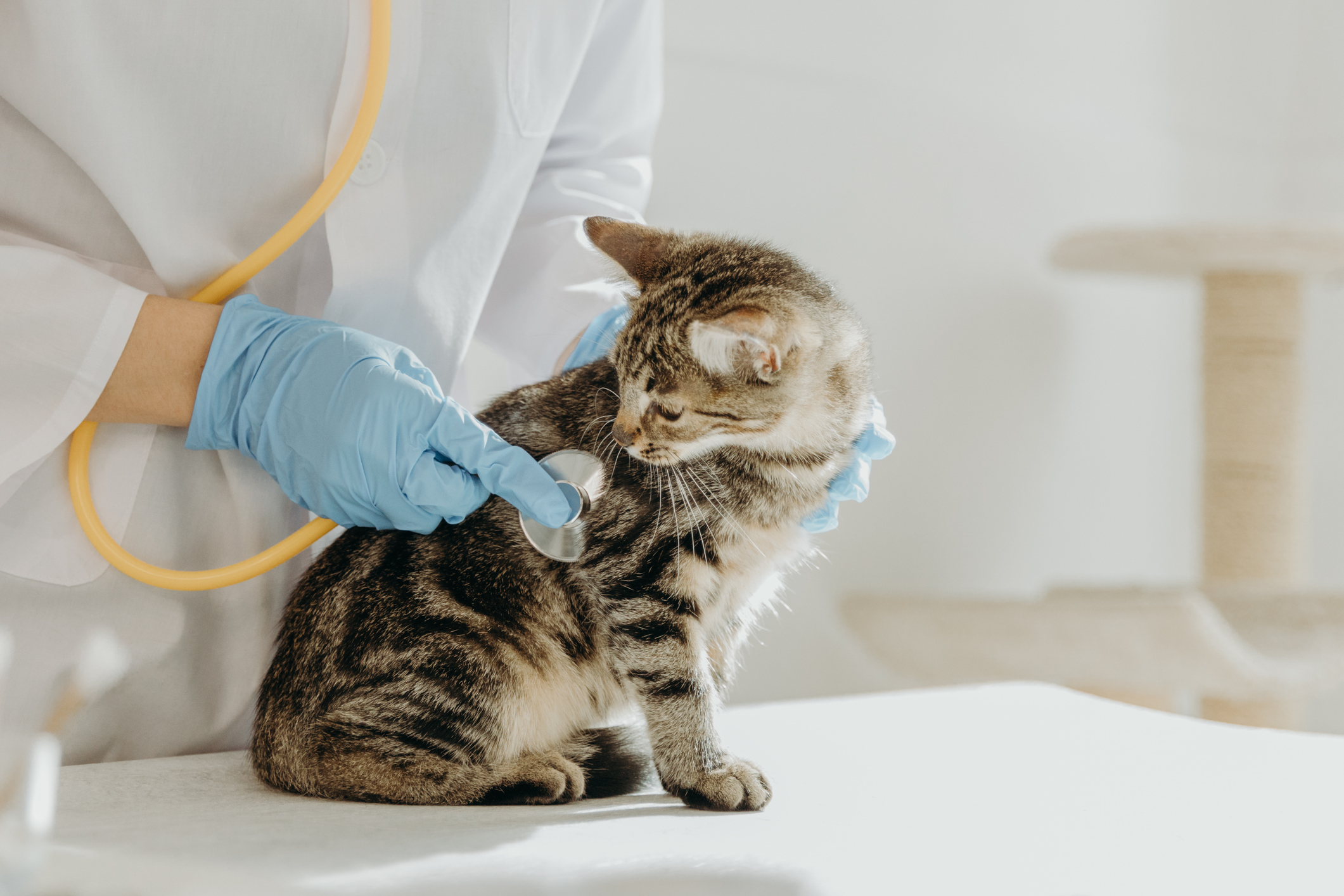
Keep Your Pet’s Protection in Step With Their Life
Outdoor activity, travel, seasonal changes, and new routines can all influence preventive needs.
Reviewing protection periodically helps ensure vaccines, parasite preventives, and other recommendations continue to make sense as those circumstances change.
Contact WellHaven Pet Health Hazel Dell to schedule a visit and discuss preventive care that reflects your pet’s current health, routine, and environment.
Request an Appointment
Frequently Asked Questions About Pet Preventive Care
Vancouver’s climate and access to outdoor spaces create several preventive considerations for local pet owners. These answers address some of the questions we commonly associate with long-term protection.
How do pet wellness exams fit into preventive care?
Wellness exams are part of preventive veterinary care. They allow your veterinarian to assess current health, track changes, and use those findings when considering vaccinations, parasite prevention, screenings, and other proactive recommendations.
Does Vancouver’s mild, rainy climate affect parasite risk?
It can. Moisture, vegetation, and moderate temperatures may allow certain parasites to remain relevant for longer periods. Protection should be based on your pet’s individual exposure.
Should I mention hiking or wooded-area activity to my veterinarian?
Yes. Time in brush, tall grass, wooded areas, or wildlife-heavy environments can affect parasite exposure and is useful information when discussing prevention.
Should preventive care be reviewed before boarding?
Yes. Boarding can increase contact with unfamiliar animals and shared environments. Reviewing vaccination and parasite protection before an upcoming stay can help ensure current recommendations still fit.
Can travel outside Vancouver change preventive recommendations?
Yes. Different regions can have different infectious disease and parasite risks. Share frequent or upcoming destinations with your veterinarian when reviewing your pet’s preventive plan.

